Top Signs Your Indianapolis Home Needs Roof Replacement

Your roof is one of those things you probably do not think about until something goes wrong. It quietly protects your home through Indiana storms, summer heat, and those unpredictable winter freezes. But like anything that works hard year after year, it eventually starts to wear down.


For homeowners in Indianapolis and surrounding areas, recognizing the early signs of roof trouble can save you from expensive repairs and unexpected stress. This guide covers the most important new roof warning signs Indianapolis residents should watch for, along with practical advice to help you make the right call at the right time.
Aging Roof Issues Indianapolis Homeowners Should Never Ignore

Roofs do not last forever, even if we wish they did. Most asphalt shingle roofs in Indianapolis have a lifespan of about 20 to 30 years. Once your roof starts getting close to that range, aging roof issues Indianapolis homeowners experience become much more common.


The tricky part is that aging does not always look dramatic at first. Many roofs show subtle signs long before major damage appears. If you know what to look for, you can catch problems early and avoid bigger headaches.


Here are some key indicators your roof may be reaching the end of its life:

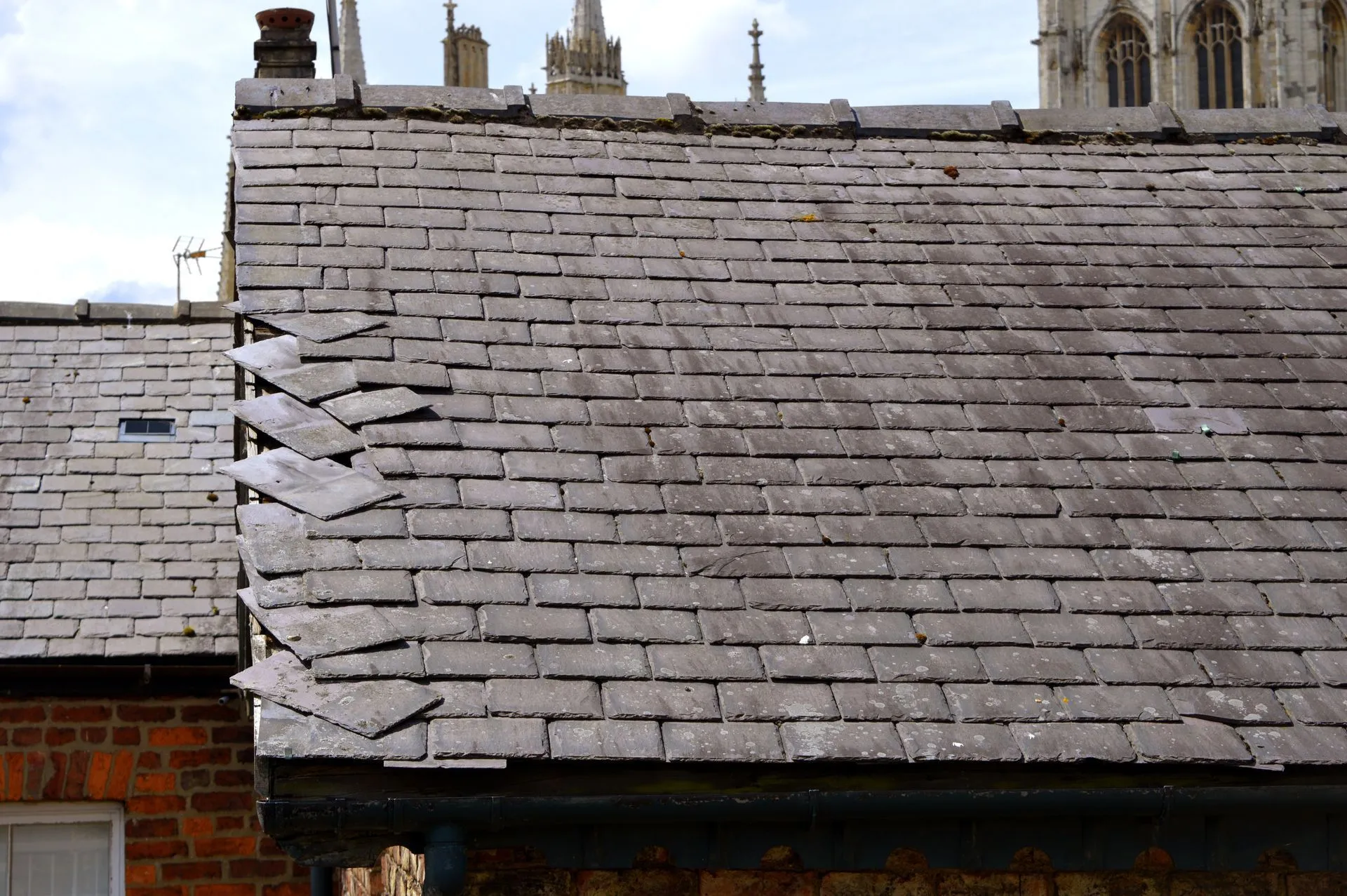
  • Curling or cracked shingles: Shingles that are curling upward or cracking are no longer providing proper protection. This allows moisture to seep underneath and compromise the structure.
  • Granules collecting in gutters: Those tiny particles are not just debris. They are part of your shingles. When they start washing away, your roof loses its ability to withstand sun exposure and weather.
  • Uneven or faded appearance: If your roof looks patchy or worn compared to neighboring homes, it may be breaking down from years of exposure.
  • Frequent need for repairs: Calling for repairs every season is often a sign that your roof is past the point of simple fixes.
  • Soft spots or sagging areas: These can indicate moisture buildup or structural weakening, which should never be ignored.


Think of your roof like an aging car. At some point, repairs stop being cost effective. Instead of putting more money into short term fixes, it makes more sense to invest in something reliable.


Addressing aging roof issues Indianapolis homes face early can prevent water damage, mold growth, and even interior structural problems. It also gives you more control over timing, so you are not forced into an emergency replacement after the next big storm.

New Roof Warning Signs Indianapolis Homeowners Often Miss

Some roofing problems are obvious, like missing shingles after a storm. Others are more subtle and easy to overlook. Unfortunately, those hidden issues can cause just as much damage over time.


Recognizing new roof warning signs Indianapolis homeowners tend to miss is key to protecting your investment.


One of the most common signs is interior water damage. You might notice faint stains on ceilings or walls, peeling paint, or a musty smell in your attic. These are often early indicators that your roof is allowing moisture inside.


Another overlooked issue is a sudden increase in energy bills. If your heating and cooling costs are creeping up, your roof could be part of the problem. Poor insulation and ventilation caused by roof damage can make your HVAC system work harder.


Here are additional warning signs to keep an eye on:

  • Daylight visible in the attic: If light can get in, water definitely can too.
  • Moss or algae growth: It may look harmless, but it traps moisture and accelerates deterioration.
  • Loose or missing flashing: Flashing protects vulnerable areas like chimneys and vents. When it fails, leaks often follow.
  • Storm damage from wind or hail: Even minor damage can weaken your roof over time if not addressed.
  • Debris buildup in valleys: Leaves and branches can trap moisture and lead to rot.


It is easy to ignore these signs, especially if everything still seems functional. But roofing problems rarely fix themselves. The longer they sit, the more costly they become.


Staying proactive when you notice new roof warning signs Indianapolis homes experience can make all the difference between a simple solution and a major repair project.

Roof Upgrade Guide Indianapolis: When It Is Time to Replace Instead of Repair

There comes a point when patching things up is no longer the best option. A reliable roof upgrade guide Indianapolis homeowners can follow helps take the guesswork out of that decision.


Repairs are great for isolated issues, but they are not a long term solution for widespread damage or aging materials. If you find yourself dealing with repeated problems, it may be time to consider a full roof replacement.


Here are situations where upgrading your roof makes more sense:

  • Widespread shingle damage: When large sections are affected, replacing the entire roof is often more efficient and cost effective.
  • Multiple leaks across different areas: This usually points to a larger system failure rather than a single issue.
  • Roof approaching or exceeding its lifespan: Even if it looks fine from the ground, older roofs are more vulnerable to sudden failure.
  • Planning to sell your home: A new roof improves curb appeal and can increase buyer confidence and property value.
  • Major storm damage: Severe weather can compromise the integrity of your entire roofing system.


Upgrading your roof also brings several benefits beyond solving existing problems. Modern roofing systems are designed to be more durable, energy efficient, and better suited for Indiana weather conditions.


You will also enjoy peace of mind knowing your home is protected. No more worrying every time the forecast calls for heavy rain or high winds.


Following a trusted roof upgrade guide Indianapolis homeowners rely on allows you to make smart decisions and avoid unnecessary stress.

How Indianapolis Weather Speeds Up Roof Wear and Tear

If you live in Indianapolis, you already know the weather can be unpredictable. Your roof has to handle everything from freezing winters to hot, humid summers, sometimes all in the same week.


This constant cycle of changing conditions plays a major role in roof deterioration.


Winter is especially tough. Snow accumulation and ice dams can trap water on your roof. When that water freezes and expands, it can damage shingles and create openings for leaks.


Spring and summer bring heavy rain, strong winds, and occasional hail. These conditions can loosen shingles, damage flashing, and cause gradual wear that adds up over time.


Here are some ways local weather affects your roof:

  • Freeze and thaw cycles: Water expands when frozen, which can cause cracks and weaken materials.
  • High humidity levels: Moisture buildup can lead to mold, mildew, and wood rot.
  • Strong wind gusts: Wind can lift shingles or tear them off completely.
  • Prolonged sun exposure: UV rays break down roofing materials, making them brittle.


Understanding how Indianapolis weather impacts your roof helps explain why regular inspections are so important. What starts as a small issue can quickly turn into a larger problem after a season of harsh conditions.


Keeping an eye on your roof and addressing issues early is the best way to extend its lifespan and protect your home.

Call Warren Masonry Inc for Expert Roof Replacement and Exterior Services in Indianapolis

If you are noticing any of these new roof warning signs Indianapolis homeowners deal with, it is time to take the next step. Warren Masonry Inc provides professional roofing services throughout Indianapolis and nearby areas like Fishers, Greenwood, Noblesville, Westfield, and Zionsville. Whether your roof is showing signs of aging or has been impacted by a recent storm, our team delivers dependable roof replacement, roof repair, and storm damage roofing solutions tailored to your home.


At Warren Masonry Inc, we do more than roofing. We also offer expert chimney repair, masonry services, and gutter installation including 6 inch seamless gutters and gutter guards to protect your home from top to bottom. If your exterior needs attention, we have the experience to handle it all. Call us today at (317) 956-0092 to schedule your inspection and get your home back in top condition.

Frequently Asked Questions

  • How do I know if I need a full roof replacement or just repairs?

    If your roof has widespread damage, multiple leaks, or is nearing the end of its lifespan, a full replacement is often the better option. A professional inspection can give you a clear recommendation.

  • How long does a roof replacement take?

    Most residential roof replacements are completed within one to three days, depending on the size of the home and weather conditions.

  • Does Warren Masonry Inc handle storm damage roofing?

    Yes, Warren Masonry Inc provides storm damage roofing services to help homeowners recover quickly after severe weath

  • What areas do you serve around Indianapolis?

    We serve Indianapolis as well as surrounding communities including Fishers, Greenwood, Noblesville, Westfield, Avon, Plainfield, Brownsburg, and more.

  • Do you offer services beyond roofing?

    Yes, we provide masonry services, chimney repair and rebuild, brick repair, tuckpointing, siding, and gutter installation to fully protect your home’s exterior.

By Contractor Independence October 10, 2024
Introduction Eco-friendly roofing, which is also known as green roofing, refers to the use of environmentally friendly and sustainable materials in the construction of roofs. These materials are either recycled or naturally sourced, thereby reducing the environmental impact associated with traditional roofing materials. Furthermore, eco-friendly roofing options are often designed to improve energy efficiency, thereby reducing the carbon footprint of buildings over their lifetime. In the context of sustainable construction, eco-friendly roofing is of paramount importance. Traditional roofing materials can significantly contribute to environmental degradation, not only due to their manufacturing process but also through disposal at the end of their lifecycle. On the other hand, eco-friendly roofing materials are typically more durable and require less maintenance, enhancing their sustainability. Moreover, they can improve a building's energy efficiency by reflecting sunlight and reducing heat absorption, leading to lower energy consumption for cooling. There is a wide range of eco-friendly roofing options available today, each with its unique benefits and drawbacks. These include, but are not limited to, green roofs (which incorporate vegetation), solar roofs (which generate electricity), and cool roofs (which reflect more sunlight). Other options include recycled metal roofing, slate or tile roofing, and reclaimed wood or shake roofing. These options cater to various architectural styles, climates, and budgets, providing homeowners and builders with the flexibility to select the most suitable solution for their specific needs. Benefits of Eco-Friendly Roofing Energy Efficiency and Potential Cost Savings Eco-friendly roofing solutions offer a plethora of benefits that extend beyond their initial appeal of being environmentally friendly. One of the most significant advantages lies in their energy efficiency and potential cost savings. Traditional roof materials often absorb a lot of heat, causing your home to heat up and raising your energy costs. However, eco-friendly roofs, such as cool roofs and solar roofs, reflect more sunlight and absorb less heat, resulting in a cooler home and lower energy bills. Solar roofs even go a step further by generating their energy, providing additional cost savings. Durability and Longevity Another advantage of eco-friendly roofing is its durability and longevity. These roofs are designed to withstand the test of time, making them a wise investment for homeowners. For instance, slate or tile roofs, recycled metal roofs, and reclaimed wood or shake roofs are known for their durability, often outlasting traditional roofing materials. This durability reduces the frequency of roof replacements, further contributing to environmental conservation. The Environmental Impact Environmental impact is a key consideration when choosing a roofing solution, and this is where eco-friendly roofs excel. They are made from sustainable or recycled materials, thereby reducing the demand for new materials and the associated environmental degradation. Additionally, green roofs, which are covered with vegetation, help improve air quality by absorbing carbon dioxide and releasing oxygen. Contributes Substantially to Green Building Certifications Lastly, eco-friendly roofing solutions contribute substantially to green building certifications such as LEED (Leadership in Energy and Environmental Design). These certifications can increase the value of your property and are often considered a mark of quality in the construction industry. By opting for an eco-friendly roof, you are not only contributing to environmental conservation but also enhancing the value and sustainability of your property. Types of Eco-Friendly Roofing Materials In this section, we delve into the different types of eco-friendly roofing materials , each with unique benefits that align perfectly with the goals of energy efficiency, sustainability, and cost-effectiveness. Green Roofs Firstly, green roofs, also known as living roofs, are covered with vegetation and soil, creating a natural habitat for wildlife. Besides enhancing biodiversity, green roofs provide excellent insulation, reducing energy costs, and significantly reducing stormwater runoff, thanks to their absorptive properties. Solar Roofs Solar roofs, on the other hand, transform your roof into an energy generator. Solar panels or solar shingles absorb sunlight and convert it into electricity, thus reducing your reliance on the grid. This technology, while reducing your energy bills, also reduces carbon emissions, contributing significantly to the fight against climate change. Recycled Shingle Roofing Recycled shingle roofing is another eco-friendly option. Made from recycled waste materials like plastic, rubber, or wood fiber, these shingles are not only durable but also help to reduce landfill waste. Metal Roofing Metal roofing, made from recycled materials, is highly reflective, reducing the heat absorbed by your home and thus lowering cooling costs. Also, at the end of their life cycle, metal roofs are 100% recyclable, minimizing their environmental impact. Slate and Tile Roofing Slate and tile roofing, made from natural materials, are incredibly durable and can last for centuries. Although they require significant energy to manufacture, their longevity offsets this impact over time. Rubber Roofing Materials Rubber roofing materials are often made from recycled tires that are durable, water-resistant, and easy to install. They also provide good insulation that protects your home and helps to reduce energy costs. Wooden Shingles and Shakes Wooden Shingles and Shakes , typically sourced from sustainably managed forests, provide natural insulation and are biodegradable at the end of their life cycle, reducing their environmental footprint. In summary, each of these eco-friendly roofing solutions contributes to energy efficiency, cost savings, durability, and reduced environmental impact in its unique way. Choosing the Right Eco-Friendly Roofing for Your Home Before Choosing Consider the Location and Climate of Your Home Choosing the right eco-friendly roofing for your home involves several key factors, from local climate and location to structural considerations, budget, aesthetics, and maintenance. The first step in making an informed decision is to consider the location and climate of your home. Different roofing materials perform differently in various climates. For example, green roofs and solar roofs may be more efficient in sunnier climates, while slate and tile roofing may be more suitable in areas with cooler temperatures. Assess the Structure and Weight Capacity of Your Roof Assessing the structure and weight capacity of your roof is another crucial step. Some eco-friendly materials like slate and tile roofing are quite heavy and may require additional structural support. In contrast, other materials like recycled shingle roofing and rubber roofing materials are lighter and can be installed on most roof structures without needing additional support. Budget Considerations Budget considerations are also a critical part of the decision-making process. While solar roofs and green roofs can provide significant energy savings over time, they may also require a higher upfront investment. On the other hand, materials like recycled shingle roofing, metal roofing, and wooden shingles are generally more affordable and still provide good energy efficiency. Aesthetic Preferences Aesthetic preferences can also influence your choice of eco-friendly roofing. From the rustic look of wooden shingles to the modern appeal of metal roofing or the natural beauty of a green roof, there is an eco-friendly roofing solution to suit every style. Consider the Maintenance Requirements of the Roofing Material Finally, consider the maintenance requirements of the roofing material. Some options, like green roofs, may require more regular maintenance, while others, like metal roofing and slate and tile roofing, may require less upkeep. Choosing the right eco-friendly roofing solution for your home is a balance of these factors, tailored to your specific needs and circumstances. By considering each of these aspects, you can select a roofing solution that not only reduces your environmental impact but also enhances the value and sustainability of your home. Installation and Maintenance of Eco-Friendly Roofs Professional Installation or DIY Installation Moving forward from the selection process, it's critical to understand the installation and maintenance aspects of eco-friendly roofs. The first choice homeowners face is between professional roof installation and a do-it-yourself (DIY) approach. While DIY projects can save money upfront, the complexity and expertise needed for eco-roof installations often tilt the scale in favor of professionals. A specialist will ensure that your roof is installed correctly, which is crucial for prolonged lifespan and optimal performance. Maintenance Requirements of Different Materials Different materials come with specific maintenance needs. Green roofs, for instance, require regular watering and weeding to keep the plants healthy, whereas solar roofs need periodic cleaning to maintain their efficiency. Recycled shingles, on the other hand, typically need less maintenance but may require more frequent replacement. It's important to understand these needs and ensure you're equipped to meet them before making your selection. Regular Inspections Regular inspections are another vital aspect of maintaining an eco-friendly roof. These inspections can identify potential issues early, preventing larger problems down the line. For instance, regular checks on a green roof can prevent plant disease from spreading, while inspections of solar panels can spot and address any efficiency-reducing damage. Considerations Related to Repair and Replacement Lastly, the considerations related to repair and replacement of these roofs are not to be overlooked. Some eco-friendly roofing materials can be more costly to repair than traditional ones, and replacement can also come with a significant price tag. However, the longevity and energy efficiency offered by these roofs often offset this cost over the lifespan of the roof. Having a clear understanding of these factors will ensure that you remain satisfied with your eco-friendly roofing choice in the long run. Conclusion In conclusion, the benefits and importance of eco-friendly roofing cannot be overstated. As we have seen throughout this article, these solutions not only embody responsible stewardship of our environment but also offer numerous advantages. From energy efficiency to durability and longevity, eco-friendly roofing materials prove to be a wise investment. They can significantly reduce your carbon footprint, lower your energy bills, and offer a sustainable alternative to traditional roofing methods. While the initial costs of installation and maintenance may be higher than traditional roofing, the long-term paybacks in terms of energy savings and a reduced environmental impact make it a worthwhile investment. In addition, the use of eco-friendly roofing materials can enhance the aesthetic appeal of your home or place of business, making it a win-win for both the environment and your property’s curb appeal. We encourage our readers to seriously consider eco-friendly roofing options for their homes or businesses. The initial steps may seem daunting, especially when it comes to choosing between DIY and professional installation, understanding the specific maintenance needs of materials, and budgeting for the costs. However, the rewards of making such a choice are far-reaching. Remember, regular roof inspections and prompt repairs are key to maintaining the performance and enhancing the lifespan of your eco-friendly roof. Ultimately, investing in an eco-friendly roof is not only a commitment to sustainability, but it is also a long-term investment in the value and efficiency of your property. Warren Masonry and Roofing offers eco-friendly roofing solutions, utilizing sustainable materials to enhance energy efficiency and reduce environmental impact. Their green roofing options provide durable, long-lasting protection for homes and businesses. Name, Address, and Phone Warren Masonry and Roofing 1602 S East St #2, Indianapolis, IN, 46225, US (317) 316-3572
March 30, 2023
Roof repair is one of the most important, yet often overlooked home maintenance tasks. A roof’s health has a direct impact on its longevity, and taking steps to identify common warning signs of roof damage can save you money. But, how can you prevent unexpected roof repair costs? In this blog post, we’ll explore how to recognize common roof repair warning signs and explain why it’s important to take prompt action.
By Growyo Support March 1, 2023
Are you unsure whether it’s time to replace your chimney? It’s an important decision that requires careful assessment, as a quality chimney is essential when it comes to keeping your home and family safe. Before deciding to replace your chimney, it is important to get it inspected by a professional to be sure the condition is such that it warrants replacing. It is possible the chimney may require repair or maintenance, saving you from having to replace it. The inspector a professional will pay close attention to wear and tear in the area, any physical damage to the chimney, such as cracks, and any corrosion found. If any of these issues are discovered, the inspector may advise that the chimney be repaired or replaced. When inspecting the flue, be sure to check for obstructions that would keep the chimney from being able to adequately vent. When replacing a chimney, be sure to use only high-quality materials and follow all applicable building codes. This guide will cover the basic steps you need to take in order to determine when a replacement is necessary. It is essential to ensure that whatever materials you use are durable and able to withstand extreme weather conditions, as well as fit properly and securely. This will ensure maximum safety for your home and loved ones.
February 16, 2023
Nothing can match the classic look of a brick façade – the texture, the structure and the beauty of the material provide a unique aesthetic that many homeowners and businesses alike can appreciate. However, over time, the elements can take their toll and cause damage to your bricks. Common problems include cracking, crumbling, and fading due to weather and other environmental factors. Restorations can be time-consuming and expensive to undertake, so taking the right steps to protect your bricks is an important consideration. As such, having an understanding of the common causes of damage to bricks as well as how brick repair services can help is essential. There are a variety of steps that can be taken to maintain your brick exteriors, such as sealing and waterproofing, using specialized paint, and simply inspecting and addressing minor cracks before they become major problems. By reading this post, we'll learn more about what can be done to protect and extend the life of your brick exterior. Armed with this knowledge, you can make sure your bricks look their best for many years to come.