Why Masonry Maintenance Is Essential for Indianapolis Properties
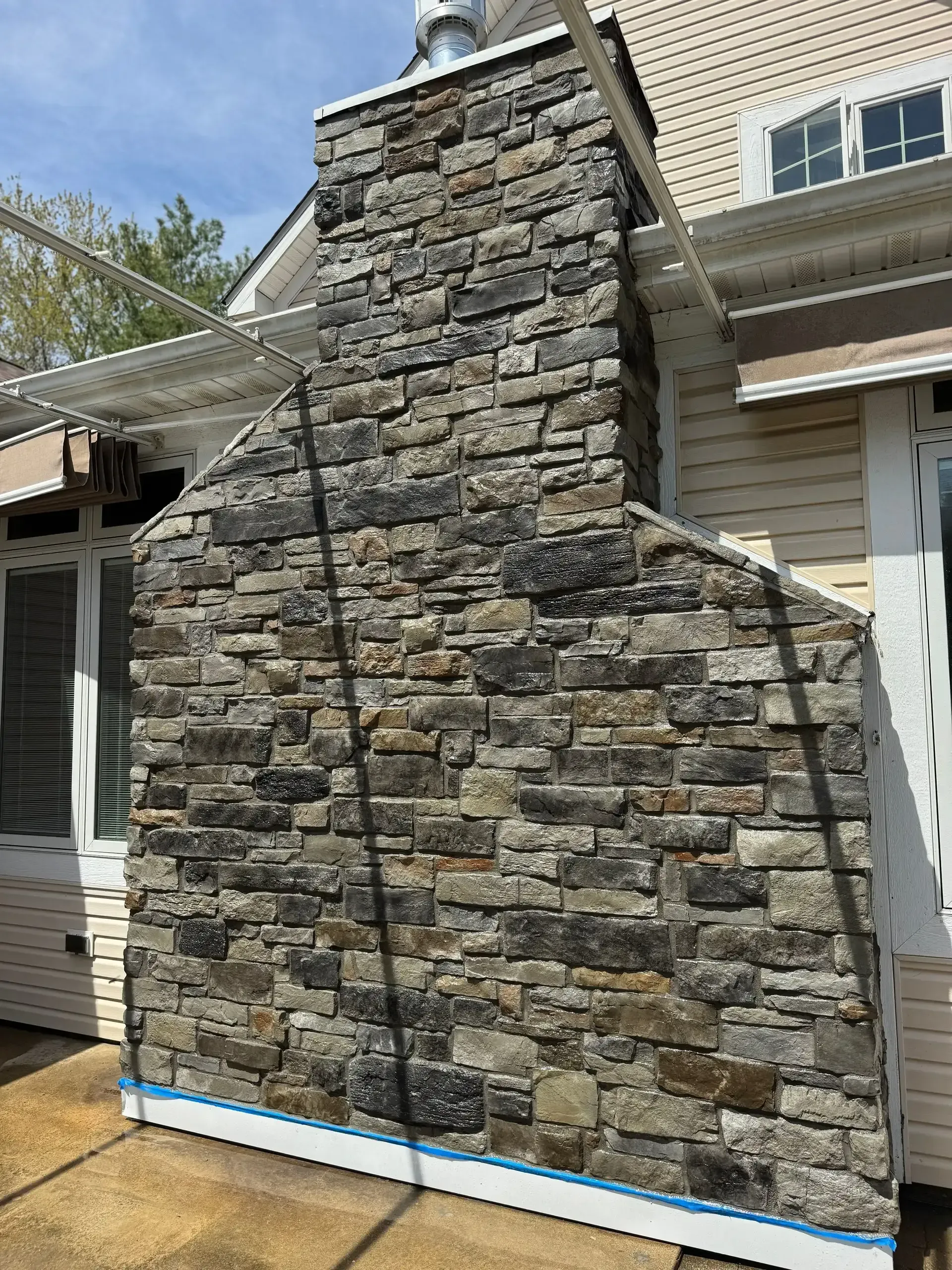
Masonry maintenance is essential for Indianapolis properties because brick, stone, mortar, and chimneys face moisture, wind, snow, and freeze-thaw cycles. Regular residential masonry services in Indianapolis, IN help homeowners catch small cracks, failing mortar, and chimney issues before they become leaks or structural concerns.
For homeowners, masonry upkeep in Indianapolis, IN is about more than curb appeal. It helps prevent water intrusion and keeps brick walls, porches, steps, and chimneys performing as they should.
Why Masonry Maintenance Matters for Indianapolis Homes
Masonry is durable, but it is not maintenance-free. Brick and stone can last for decades, but mortar joints, chimney crowns, caps, flashing, and exposed wall areas often need attention sooner.
When mortar cracks or brick starts to spall, water can enter the masonry system. In Indianapolis, trapped moisture can freeze during winter, expand, and make the damage worse.
A simple homeowner example
A homeowner may notice a small stair-step crack near a porch wall after winter. If water keeps entering, the surrounding mortar can weaken, and the crack can spread after another freeze-thaw season.
Common Masonry Problems Homeowners Should Watch For
Homeowners should watch for
visible changes in brick, stone, mortar, chimneys, steps, and porches. These warning signs often mean the home may need maintenance, brick repair in Indianapolis, IN, or a professional inspection.
Masonry warning-sign checklist
- Cracked, loose, or shifting bricks
- Crumbling, missing, or recessed mortar joints
- Stair-step cracks in brickwork
- Spalling or flaking brick faces
- Bowing or separating brick veneer
- White staining or efflorescence
- Water stains near brick, ceilings, or fireplaces
- Loose brick on steps, porches, or retaining walls
- Gaps where masonry meets roofing, siding, doors, or windows
Chimney warning signs
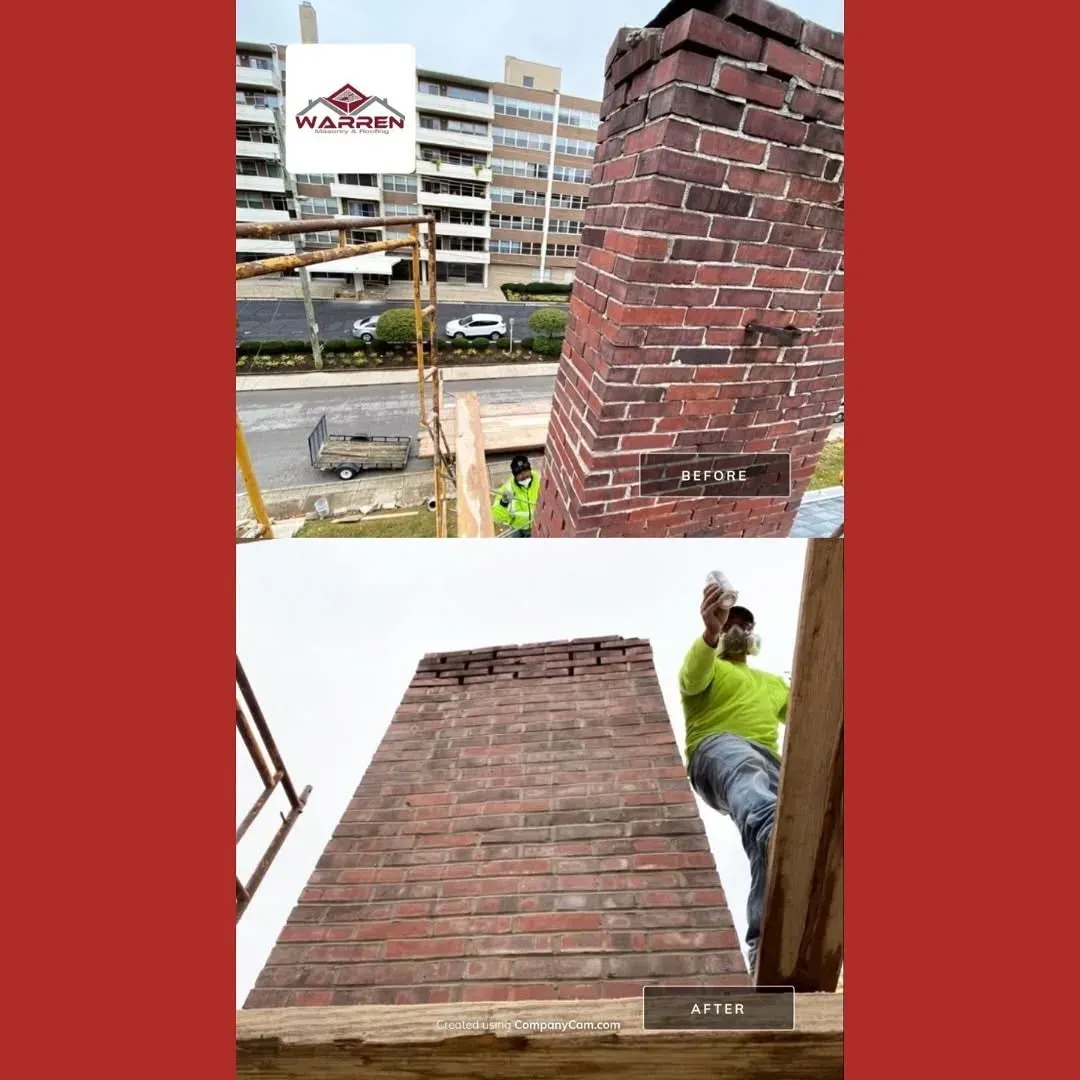
Chimneys need special attention because they are highly exposed to Indianapolis weather. Watch for cracked crowns, missing caps, loose chimney brick, rusted flashing, leaning sections, or water stains near the fireplace.
For more on chimney-related warning signs, link to chimney repair in Indianapolis, IN.
How Indianapolis Weather Affects Brick, Mortar, and Chimneys
Indianapolis weather can be hard on masonry because moisture and temperature swings work together.
Rain and snow can enter small cracks, and freezing temperatures can expand that trapped moisture.
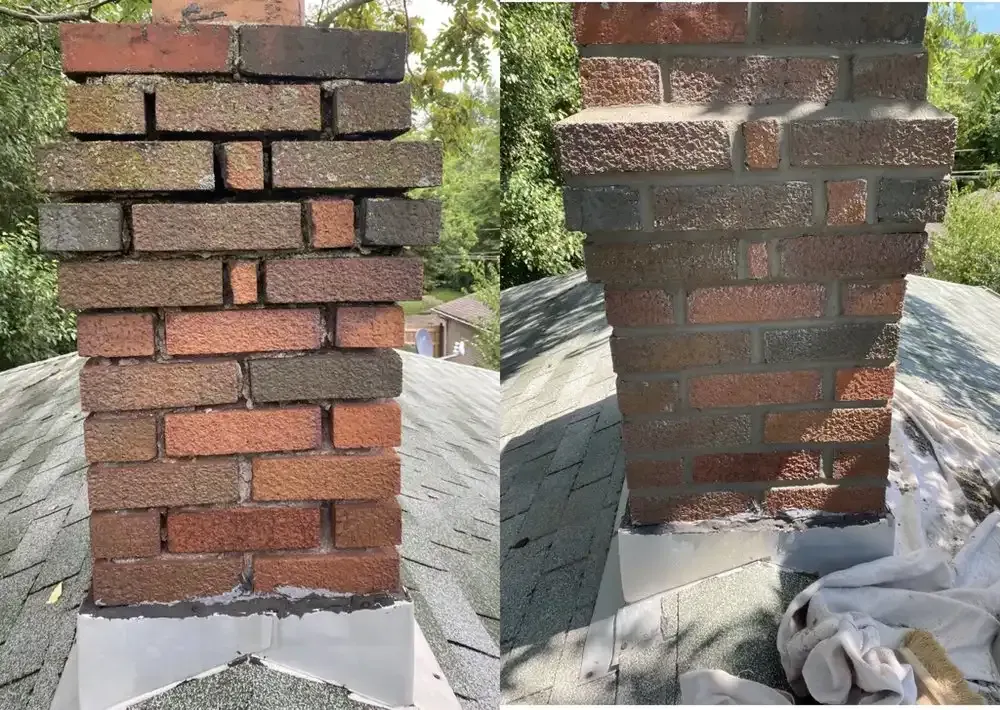
That is why brick maintenance tips for Indianapolis homeowners should include inspections after winter and strong storms. Homes in older areas such as Irvington, Meridian-Kessler, Broad Ripple, Speedway, and Lawrence may have mature masonry that needs closer attention.
Water management matters
Gutters, downspouts, and roof flashing all affect masonry. If water pours over a gutter or collects near a brick wall, it can speed up mortar wear and brick damage. At the chimney, poor flashing can make a masonry issue look like a roof leak.
Masonry Upkeep Checklist for Homeowners
A simple seasonal checklist can help homeowners spot issues early. You do not need to diagnose the repair, but you should know when something has changed.
| Area to Check | What to Look For | Why It Matters |
|---|---|---|
| Brick walls | Cracks, spalling, bowing, loose brick | May show moisture or movement |
| Mortar joints | Gaps, crumbling, deep recesses | Let water enter the wall |
| Chimney | Crown cracks, missing cap, loose brick | High exposure area |
| Steps and porches | Loose brick, sinking, cracking | Safety and stability concern |
| Gutters and downspouts | Overflow near masonry | Directs water toward the brick |
| Interior areas | Stains, dampness, musty smells | May point to water intrusion |
Practical maintenance steps
Walk around your home each season, especially after winter. Keep gutters clean, move downspouts away from masonry, and do not ignore cracks that widen. Avoid painting or sealing brick without professional guidance, because trapped moisture can cause damage.
If you see loose material, spreading cracks, or recurring moisture, schedule a masonry inspection instead of patching the surface.
Tuckpointing vs. Brick Repair vs. Chimney Repair
Different masonry problems need different solutions. Tuckpointing and repointing fix failing mortar joints,
brick repair addresses damaged brick, and chimney repair focuses on the brick, mortar, crown, cap, and flashing at the chimney.
| Service | Best For | Common Signs |
|---|---|---|
| Tuckpointing/repointing | Failing mortar joints | Crumbling mortar, gaps, water entry |
| Brick repair | Damaged brick | Cracks, spalling, loose brick |
| Chimney repair | Chimney leaks or damage | Crown cracks, flashing leaks, loose brick |
| Chimney rebuild | Severe chimney deterioration | Leaning, major cracking, widespread failure |
| Stone repair and restoration | Stone walls, trim, steps, or features | Loose stone, cracks, movement |
Why mortar joints are so important
Mortar often fails before brick. When mortar joints crack or crumble, water can enter the wall system and weaken nearby materials. Proper tuckpointing means removing deteriorated mortar, preparing the joints, matching new mortar, and finishing the repair cleanly.
When Masonry Maintenance Becomes Structural Care
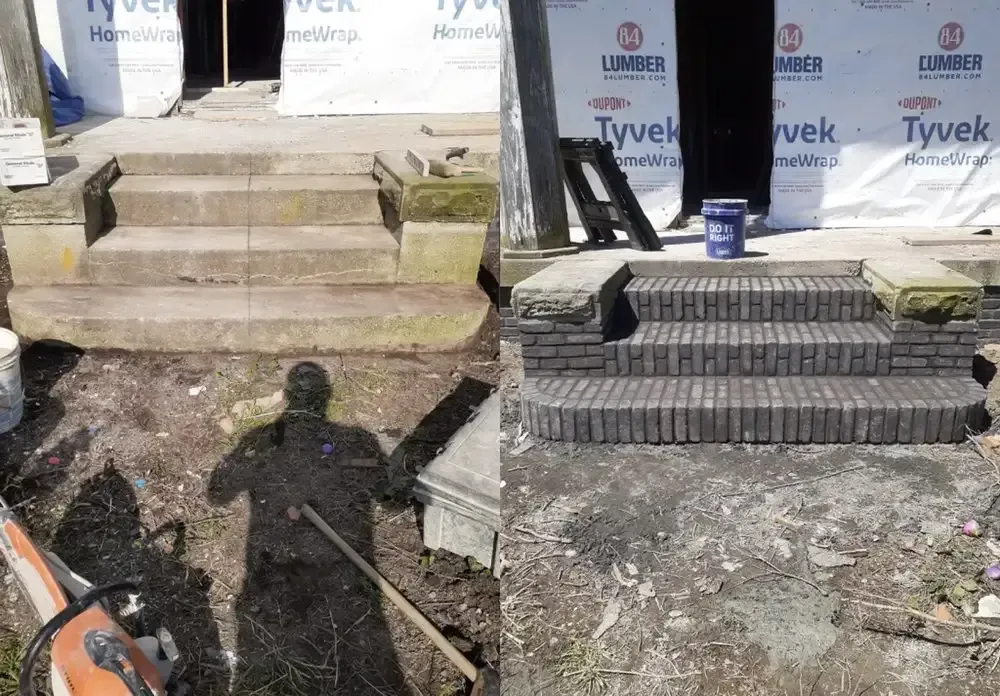
Masonry maintenance becomes structural care when cracks, movement, leaks, or loose materials suggest a deeper problem. Structural care masonry in Indianapolis may involve checking whether the issue is caused by moisture, settlement, drainage, or wall movement.
Call a professional if you notice bowing brick, a leaning chimney, stair-step cracks that keep spreading, or repeated leaks after small repairs. We evaluate brick, stone, mortar, chimney components, flashing, and nearby roofing details as one exterior system.
Why Chimneys Need Extra Attention
Chimneys are one of the most exposed masonry features on a home. They face rain, snow, sun, wind, and freeze-thaw cycles from every side, so small problems can spread.
Key chimney components to maintain include brick, mortar joints, the crown, cap, flashing, and waterproofing. If chimney damage is severe, a partial or full chimney rebuild may be safer.
Because chimney leaks often involve masonry and roofing, it helps to work with a company that understands both. For larger or nonresidential properties, we also provide commercial masonry services.
Call Warren Masonry & Roofing for Masonry Services in Indianapolis, IN
If you have cracked brick, crumbling mortar, chimney damage, or signs of water intrusion, call Warren Masonry & Roofing for masonry services in Indianapolis, IN. A professional inspection can identify the source of the problem and recommend the right repair before small damage becomes larger.
Call
(317) 956-0092 to schedule
masonry service in Indianapolis, IN.
FAQs About Masonry Maintenance in Indianapolis
How often should Indianapolis homeowners inspect their masonry?
Homeowners should visually inspect brick, stone, mortar, chimneys, steps, and porches at least seasonally. It is also smart to check masonry after winter weather, heavy rain, or strong storms.
What are the most common signs that a brick needs repair?
Common signs include cracked brick, spalling, loose bricks, bowing walls, stair-step cracks, and deteriorating mortar joints. Water stains near brick or chimneys can also point to a masonry problem.
Why is tuckpointing important for masonry upkeep?
Tuckpointing replaces failing mortar joints to reduce the chances of water entering the masonry system. It also helps restore the wall’s appearance and protects the surrounding brick or stone.
Can damaged masonry cause leaks inside my home?
Yes. Cracked mortar, damaged brick, failing chimney crowns, missing caps, and flashing problems can allow water into walls, ceilings, fireplaces, or roofline areas. An inspection can help determine where the water is entering.
When should I call a masonry contractor in Indianapolis?
Call a masonry contractor when cracks spread, mortar crumbles, bricks loosen, chimney damage appears, or moisture keeps returning. You should also call if you see a leaning chimney, bowing brick, or structural movement.
Recent Posts