Tuckpointing in Indianapolis: Stop Freeze-Thaw Damage
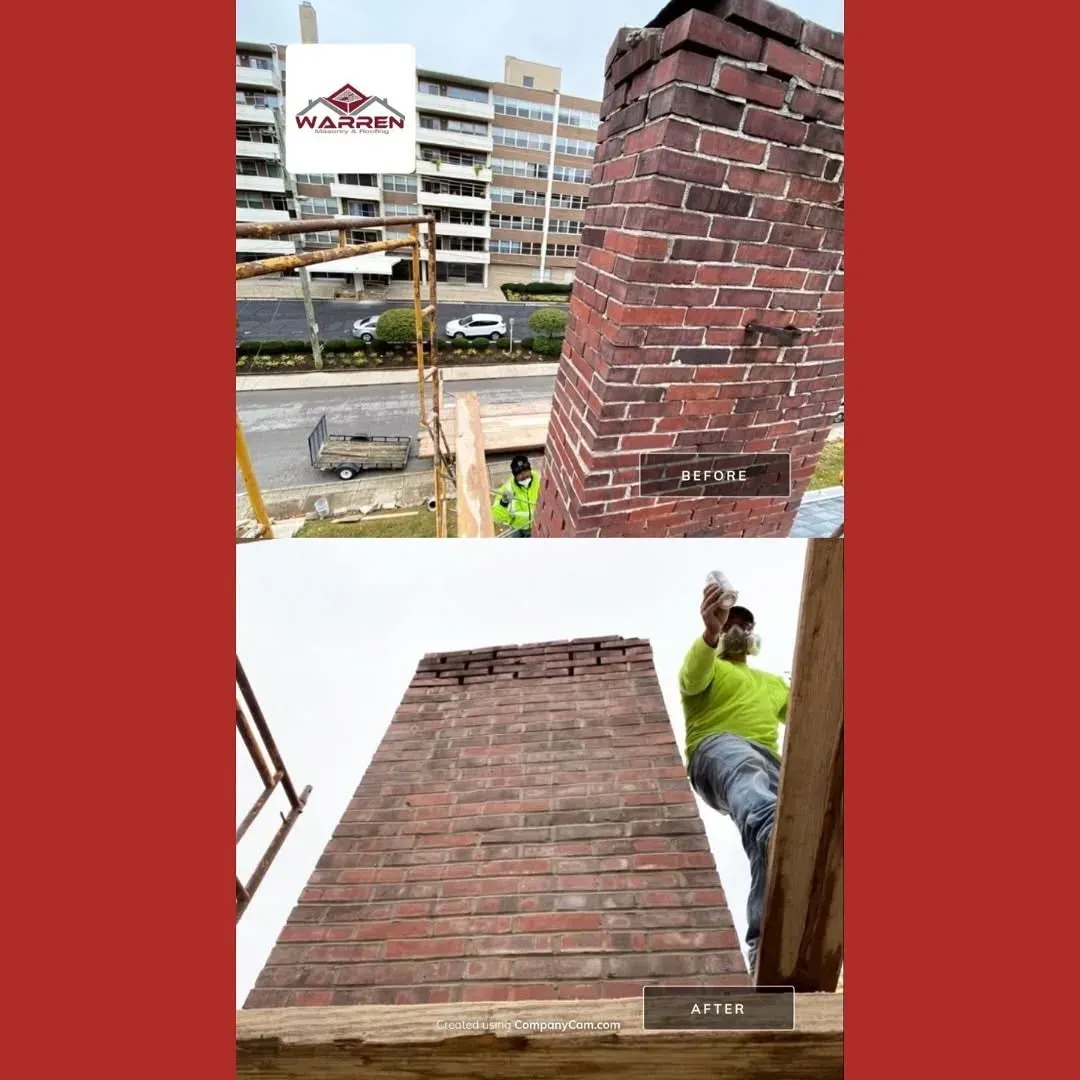
Tuckpointing is one of the most affordable ways to protect your chimney from Indiana’s harsh freeze-thaw cycle. If the mortar joints on your chimney are cracking, crumbling, or pulling away from the brick, acting now can save you thousands in structural repairs down the road.
At
Warren Masonry,
we’ve worked on chimneys across the Indianapolis area since 1978. We’ve learned one thing along the way: the homes that avoid expensive chimney collapses are the ones where owners caught the mortar damage early. So let’s walk through what to look for and when to act.
What the Freeze-Thaw Cycle Does to Your Chimney
The freeze-thaw cycle slowly breaks your chimney apart by forcing water in and out of the brick and mortar until they crack. Indianapolis winters make this worse because our temperatures swing so much. It can drop below freezing overnight, then climb above 40° by the afternoon. That constant back-and-forth is hard on any masonry.
Here’s why it happens. Brick and mortar are porous, so they soak up water from rain, melting snow, and even heavy fog. When the temperature drops, that trapped water freezes and expands inside the material. When it thaws, it shrinks back down. Now repeat that dozens of times over a single winter, and the damage adds up fast.
The result shows up as
crumbling mortar joints, flaking brick faces, and cracked chimney crowns. These aren’t just cosmetic issues. They’re structural warnings. In fact, roughly 90% of all water intrusion occurs within just 1% of a building’s exterior, and your chimney is one of the most common entry points. Because chimneys stick up above the roofline, they get wet from multiple sides, which speeds up the damage even more.
What Tuckpointing Actually Is
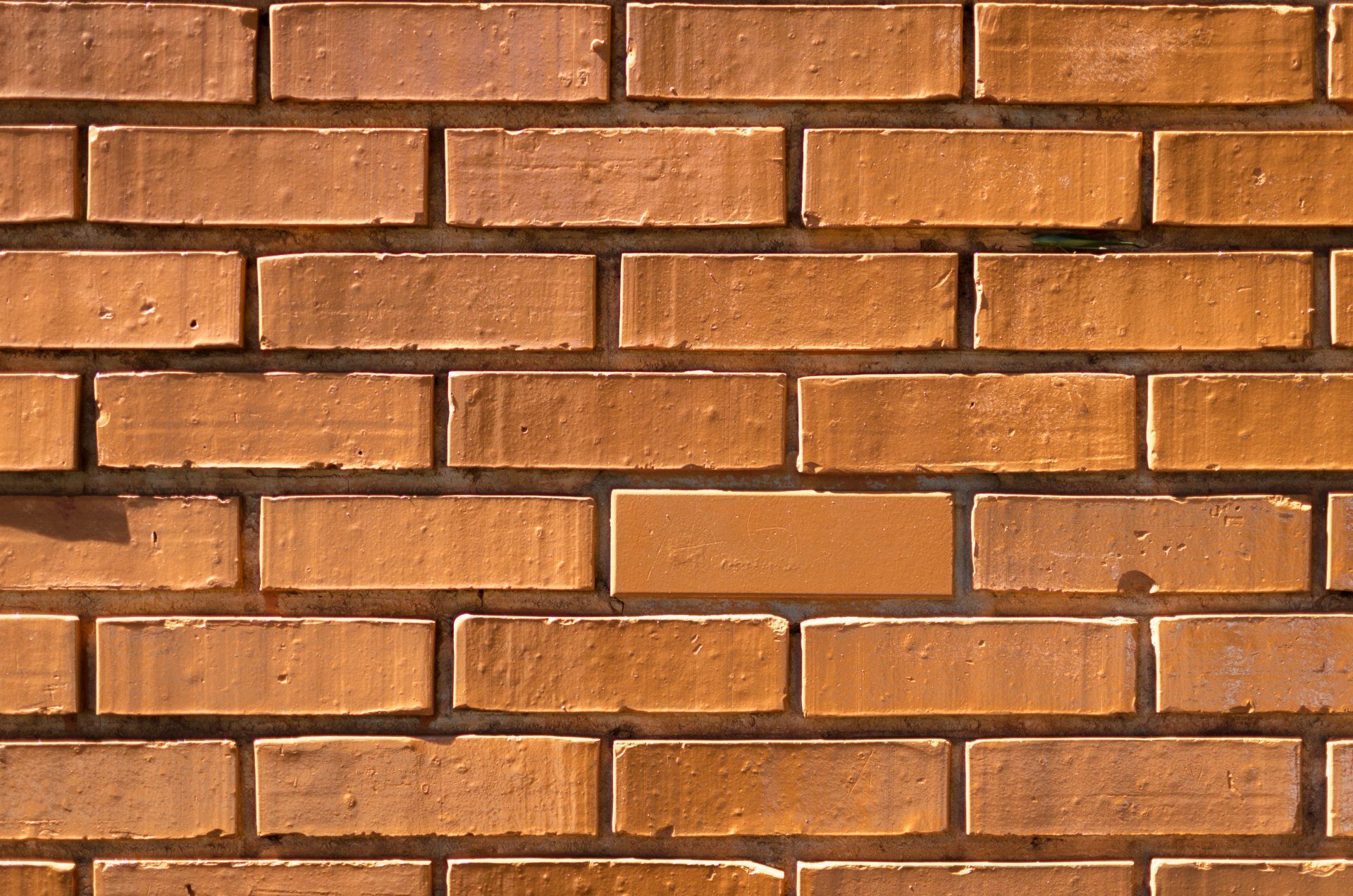
Tuckpointing is a targeted repair that removes old, failing mortar and replaces it with fresh mortar to reseal the joints. A skilled mason carefully digs out the deteriorated mortar between the bricks, usually to a depth of about 0.75 inch. Then fresh mortar gets packed in to replace it.
Done right, this repair restores the waterproof barrier your mortar is supposed to provide. It also stabilizes the brick and stops further movement. This isn’t a surface patch. It’s a real structural fix, and it’s the core of our tuckpointing and repointing service.
Here’s what a full tuckpointing service typically covers:
- Mortar joints that are recessed, cracked, or pulling away from the brick
- Spots where old mortar has turned powdery or gone missing
- Joints around the chimney crown or cap base
- Lower brick courses exposed to ground-level moisture
If you own a home in Fishers, Carmel, or Noblesville, you’re dealing with the same problem as folks in older Indianapolis neighborhoods. The freeze-thaw cycle doesn’t care how new your home is. It goes after any mortar with even minor weak spots. The same logic applies to your walls and porches too, which is why
brick repair often goes hand in hand with chimney work.
The Real Cost of Waiting
Waiting to fix mortar damage almost always costs you more, because the problem never stays small. A tuckpointing repair is a manageable expense when the damage is limited to the mortar joints. But skip that repair, and water keeps working its way deeper into the brickwork.
Here’s how the damage escalates once you fall behind:
| Stage | What’s Happening | Typical Fix |
|---|---|---|
| Early | Cracked or crumbling mortar joints | Tuckpointing |
| Middle | Spalling brick, chipped or flaking faces | Brick replacement + repointing |
| Advanced | Leaning chimney, structural failure | Partial or full chimney rebuild |
| Severe | Interior water damage inside walls | Drywall, insulation, and framing repair |
As you can see, once the chimney’s structure is compromised, the scope of repair grows fast. A leaning chimney may need a full rebuild from the roofline up. Water inside your walls adds insulation, drywall, and framing costs on top of the masonry work.
Homeowners in Avon, Greenwood, and Westfield who book inspections after a rough winter usually catch problems at the tuckpointing stage. Those who wait until they spot water stains on the ceiling often find the damage has spread well past the chimney. If you’re already at that point, our
chimney repair team can assess how far it’s gone.
Signs Your Chimney Needs Tuckpointing Now
You don’t need any masonry experience to spot the early warning signs. Just walk around your home and look at the chimney from the ground. Then check your attic and the wall near your fireplace.
Watch for these red flags:
- White staining (efflorescence) on the brick. This mineral residue is left behind as water moves through the masonry.
- Recessed or crumbling mortar joints, where the mortar sits noticeably below the brick face.
- Spalling brick faces, where small chips or larger chunks have broken off.
- Cracks in the chimney crown, the concrete slab on top of the chimney.
- Water stains on interior ceilings or walls near the fireplace.
- Gaps around the flashing, where the roof meets the chimney base.
Any one of these signs is reason enough to call for an inspection. If you spot 2 or more together, your repair window is closing fast. Staying ahead of issues like these is exactly why
regular masonry maintenance matters so much for Indianapolis properties.
Tuckpointing as Part of a Bigger Chimney Care Plan
Tuckpointing works best as one piece of a complete chimney care plan, not a standalone fix. After repointing the mortar joints, a professional can also repair the chimney crown, replace a worn or missing cap, and apply a breathable waterproofing sealant to the brick.
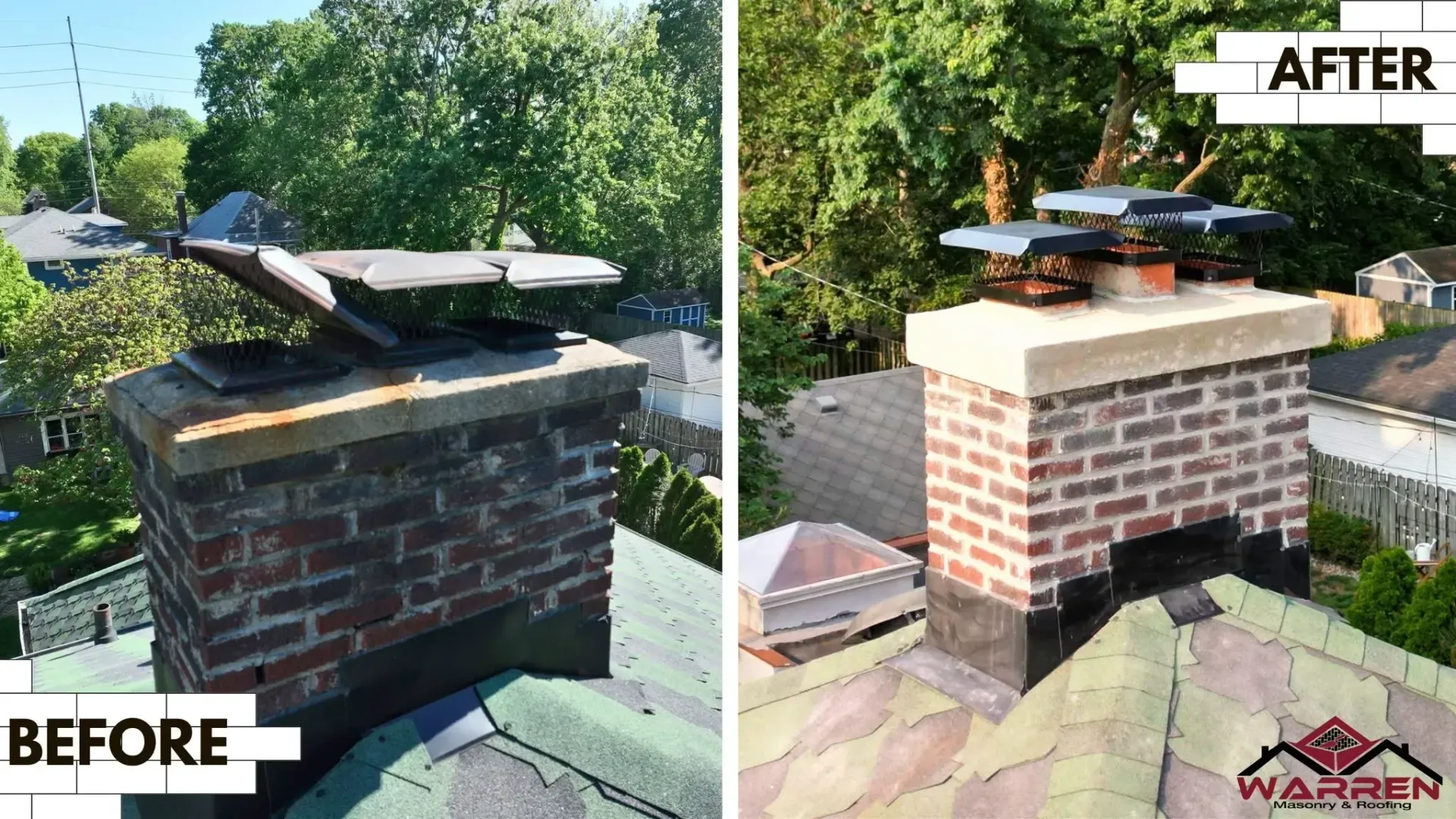
That sealant step really matters. A breathable sealant lets moisture vapor escape from inside the masonry while blocking liquid water from getting in. This extends the life of your tuckpointing repair, which is a big deal through our wet springs and icy winters.
If you own an older brick home in Zionsville or Noblesville, combining tuckpointing, crown repair, and waterproofing in one
residential masonry visit is both efficient and genuinely protective. And if your chimney is too far gone for a tune-up, it may be
time for a full chimney replacement instead.
FAQs About Roofing and Masonry
How do I know whether my chimney leak is a roofing or masonry problem?
You usually cannot identify the source from the interior stain alone. Water may enter through flashing, shingles, mortar, the chimney crown, or several components together, so the most useful first step is an inspection covering both trades.
What does chimney flashing repair in Indianapolis involve?
The work may include resealing a minor joint, replacing damaged metal, rebuilding flashing corners, or installing new step and counter-flashing. Your contractor should also address masonry defects that prevent the flashing from being secured and shedding water properly.
Can hail damage my roof without causing missing shingles?
Yes. Hail can dent shingles, displace protective granules, or create tears that are difficult to see from the ground. A close inspection is especially important around chimneys, valleys, vents, and roof edges.
When does a chimney need tuckpointing?
Tuckpointing may be appropriate when mortar is cracked, loose, crumbling, or deeply recessed but the bricks and overall structure remain stable. Your contractor should first determine why the joints deteriorated and choose a compatible replacement mortar.
Does mortar type matter on an older Indianapolis home?
Yes. Mortar that is too hard or impermeable can damage softer historic brick. The replacement mortar should be chosen to match the existing masonry’s physical properties and appearance.
Get Ahead of the Damage
Protecting your chimney from Indianapolis winters starts with catching mortar damage before it turns into a structural emergency. If you’ve noticed any of the warning signs above, or you just haven’t had your chimney looked at in a few years, reach out to us. We also handle commercial masonry if you manage a property or building.
Call Warren Masonry at
(317) 956-0092 to schedule a free, no-pressure inspection. We’ll take photos, tell you exactly what we find, and help you get ahead of the damage before spring rain and next winter’s freeze-thaw cycle make it worse.
Recent Posts